EN
EN RU
RU

 Новости отрасли
 Как следует оценивать китайских производителей международным покупателям?
2026-09-11
2026-09-09
2026-09-02
2026-08-28
2026-07-13
2026-04-29

 Текущие события
В1: Что такое одноканальная пипетка?
A Одноканальная пипетка Это портативный лабораторный прибор, предназначенный для отбора и дозирования точного объема жидкости. по одному совету за раз.
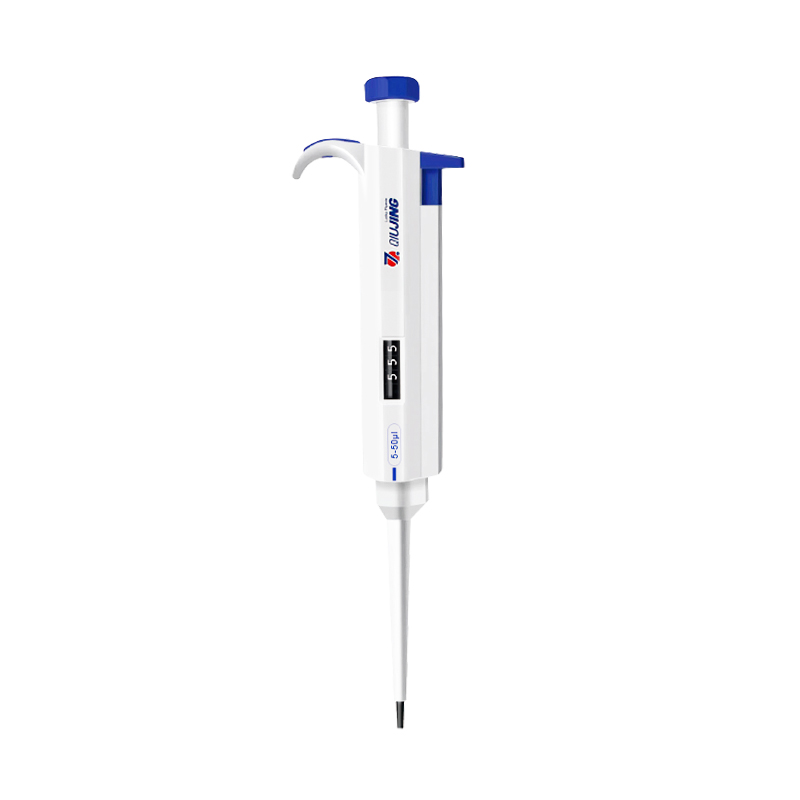
Основные характеристики
В каких случаях используется одноканальная пипетка?
Для лабораторий, которые ценят точность и универсальность в повседневной работе, хорошо спроектированная одноканальная пипетка, например, такая, как... Пипетка с одним каналом серии Lucky—часто является основным инструментом на верстаке.
В2: Для чего используется многоканальная пипетка?
Многоканальная пипетка предназначена для одновременного дозирования жидкости через несколько наконечников, что значительно повышает эффективность при выполнении повторяющихся задач.
Типичные области применения
Многоканальные пипетки особенно распространены в молекулярной биологии, иммуноанализах и клинической диагностике, где критически важна стабильность времени между лунками.
В3: В чем разница между одноканальными и многоканальными пипетками?
Главное различие заключается в проектирование пропускной способности и рабочих процессова не точность.
| Особенность | Одноканальная пипетка | Многоканальная пипетка |
| Количество чаевых | 1 | 8 или 12 |
| Скорость | Медленнее выполняется повторяющаяся работа. | Гораздо быстрее |
| Гибкость | Очень высокий | Оптимизировано для пластин |
| Типичное использование | Трубы, смешанные задачи | Микропланшеты |
На практике:
Во многих лабораториях имеются в наличии все три типа реагентов для соответствия различным этапам эксперимента.
Вопрос 4: Что такое ?
Ан 8-канальная пипетка разливает жидкость в восемь скважин одновременноидеально совпадает с одним рядом стандартного 96-луночного планшета.
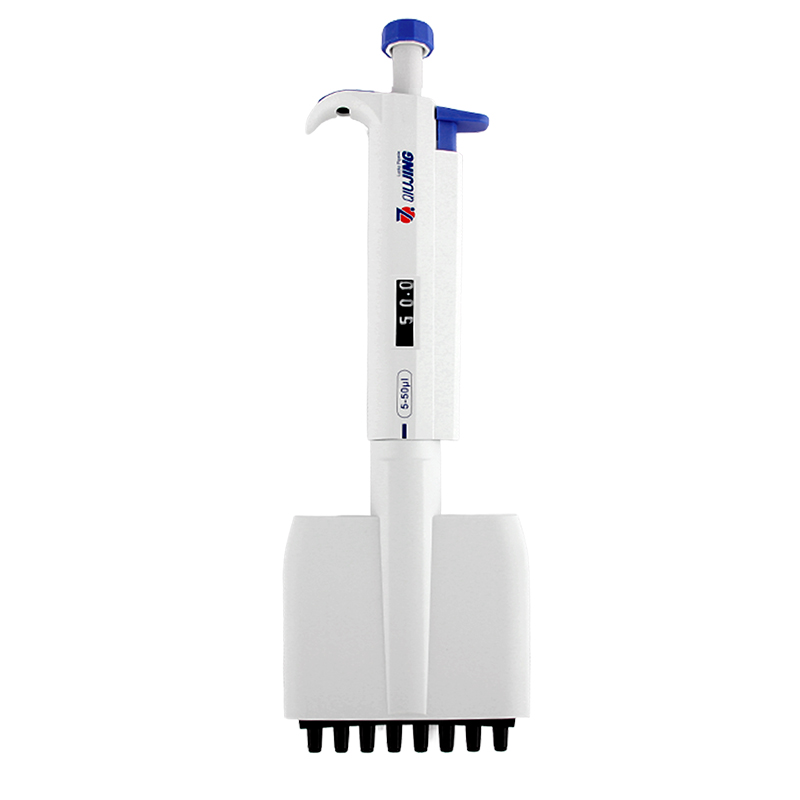
Почему стоит выбрать 8-канальную пипетку?
Для лабораторий, которые часто работают с 96-луночными планшетами, но хотят упростить контроль, это 8-канальная пипетка серии Lucky Зачастую это практический баланс между скоростью и удобством использования.
Вопрос 5: Что такое 12-канальная пипетка?
A 12-канальная пипетка предназначен для заполнения целую колонку 96-луночного планшета одним движением.
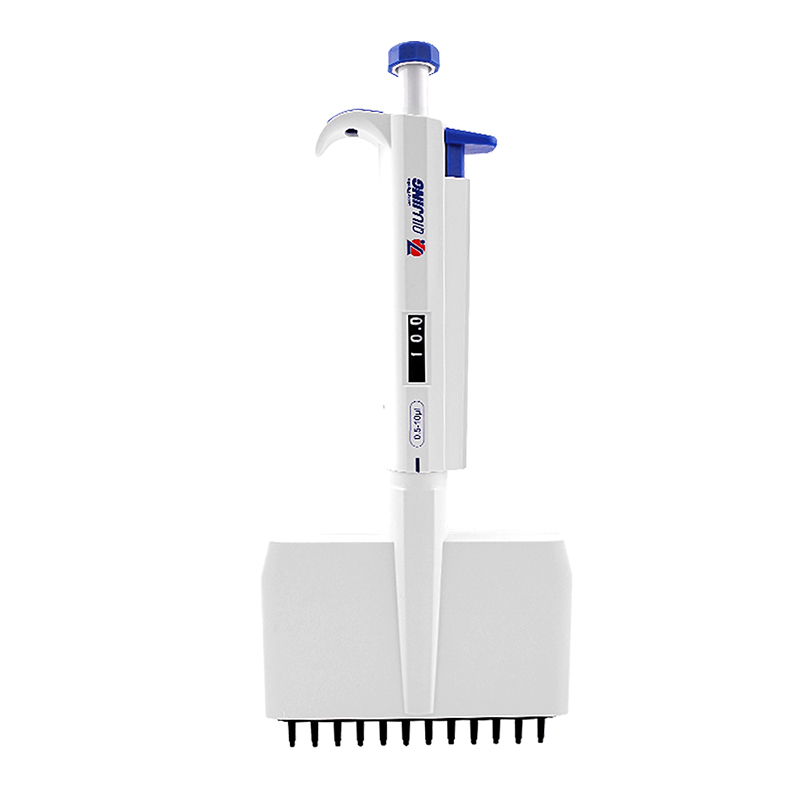
Преимущества 12-канальной пипетки
Если ваша работа связана с рутинной обработкой пластин в больших масштабах, то такое решение, как... Пипетка Lucky серии с 12 каналами может значительно повысить производительность и повторяемость результатов.
В6: Какие размеры многоканальных пипеток доступны?
Многоканальные пипетки обычно выпускаются в тех же диапазонах объемов, что и одноканальные, например:
Выбор зависит от:
Выбор правильного диапазона громкости важнее, чем выбор только количества каналов.
В7: Какая пипетка с одним каналом является наилучшей?
Не существует единой «лучшей» пипетки для всех пользователей, но хорошая одноканальная пипетка должна обеспечивать следующие возможности:
Многие лаборатории предпочитают модели, подобные одноканальным пипеткам серии Lucky, поскольку они обеспечивают оптимальное сочетание производительности, удобства и стоимости, что делает их подходящими как для рутинной, так и для сложной лабораторной работы.
Вопрос 8: Что такое канальная пипетка?
Термин «канальная пипетка» просто обозначает количество каналов (каналов) в пипетке:
Большее количество каналов означает более высокую пропускную способность, но не обязательно лучшую точность для всех задач.
Вопрос 9: Запрещено ли использование пипеток для мытья рта?
Да. Использование пипетки для мытья рта строго запрещено. Запрещено в современных лабораториях.
Почему?
Для обеспечения безопасности и достоверности данных все манипуляции с жидкостями следует проводить с использованием механических пипеток, таких как одноканальные или многоканальные пипетки.
В10: Почему во многих лабораториях используются все три типа пипеток?
В реальных лабораторных условиях:
Использование соответствующей линейки продуктов, например, пипеток серии Lucky с одним, восемью и двадцатью каналами, помогает обеспечить единообразие ощущений при работе, логики калибровки и удобства использования при выполнении различных задач.
Заключительные мысли: Как выбрать подходящую пипетку для вашей лаборатории
При выборе между одноканальными и многоканальными пипетками следует учитывать следующее:
Грамотно подобранная комбинация пипеток повышает не только эффективность, но и качество данных, а также уверенность оператора.
Предупреждение: Данный веб-сайт уважает права интеллектуальной собственности. В случае обнаружения каких-либо нарушений, пожалуйста, своевременно свяжитесь с администрацией сайта для принятия соответствующих мер.
Наши часы работы


Публичный счет



 Поддерживаемая сеть IPv6