EN
EN RU
RU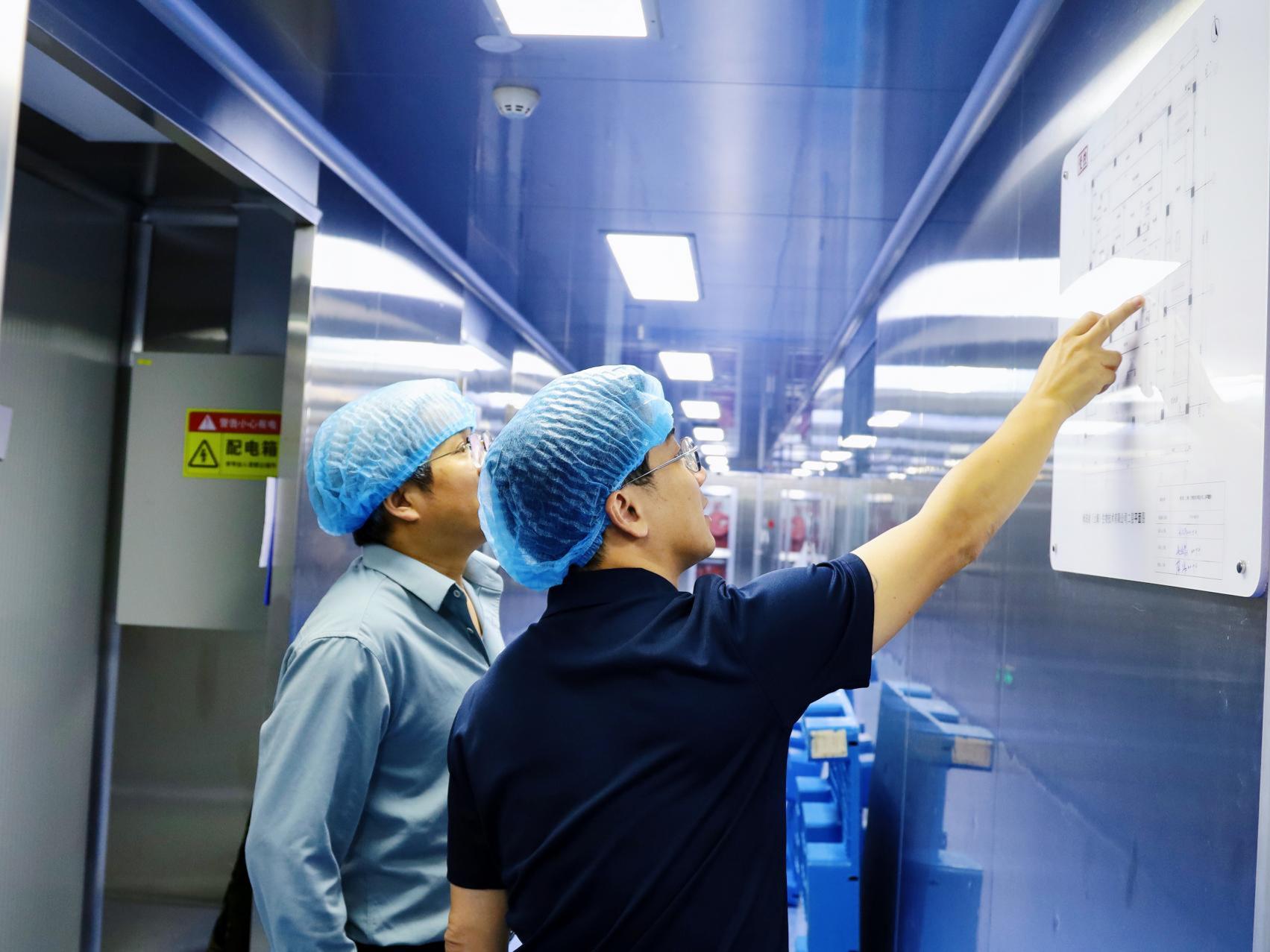
1. Китайское производство развивается. Китай остается одним из крупнейших мировых центров промышленн...
September 9, 2026
83


 Новости отрасли
 Как следует оценивать китайских производителей международным покупателям?
2026-09-11
2026-09-09
2026-09-02
2026-08-28
2026-07-13
2026-04-29

 Текущие события

1. Китайское производство развивается. Китай остается одним из крупнейших мировых центров промышленн...

Цифровой паспорт ЕС начинает практическое внедрение. Европейский союз продвигает Цифровой паспорт пр...
Как одно из крупнейших и наиболее влиятельных мероприятий фармацевтической отрасли в мире, выставка...
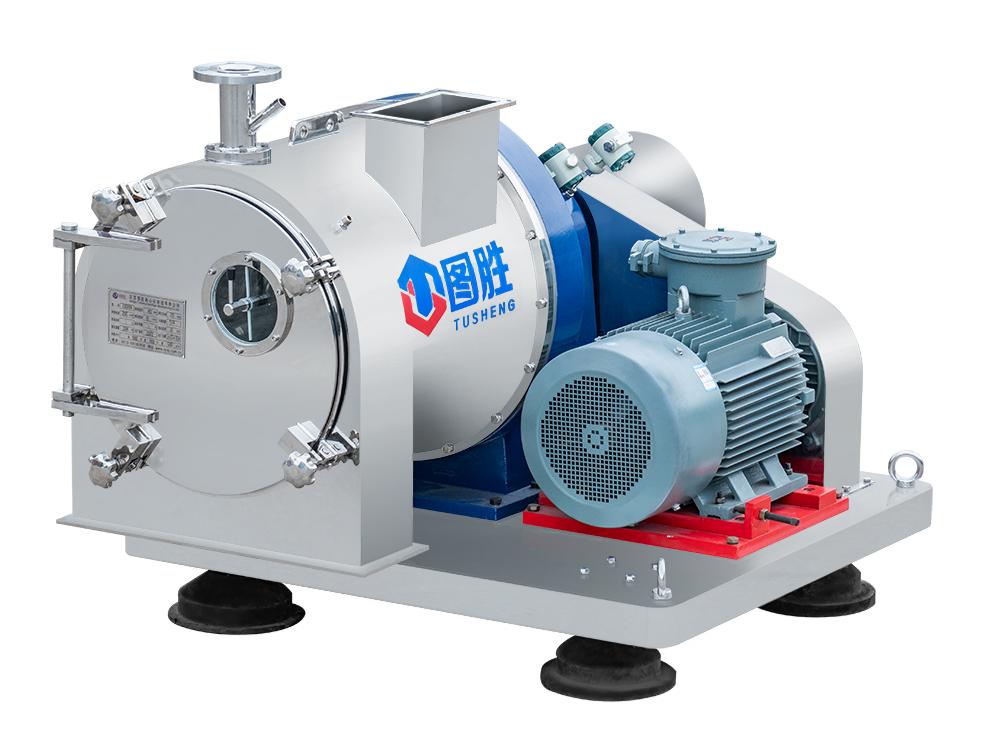
Горизонтальные центрифуги с ситовым фильтром для низкоактивных отходов: часто задаваемые вопросы для...

Китайская фармакопея 2025 года вводит более строгие требования к микробиологическому составу очищенн...
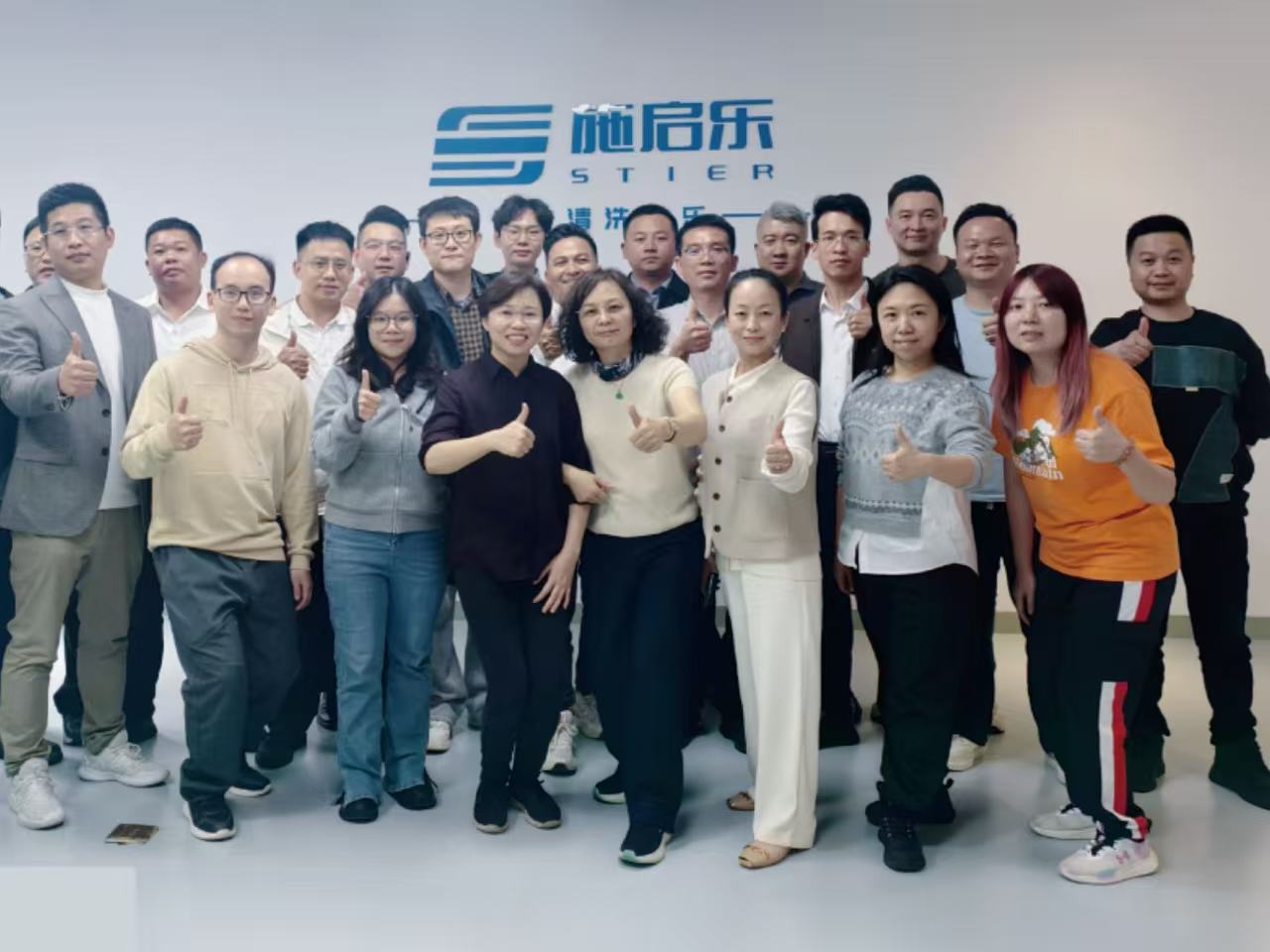
Лабораторная посудомоечная машина: стандартизированное решение для надежной очистки лабораторной пос...
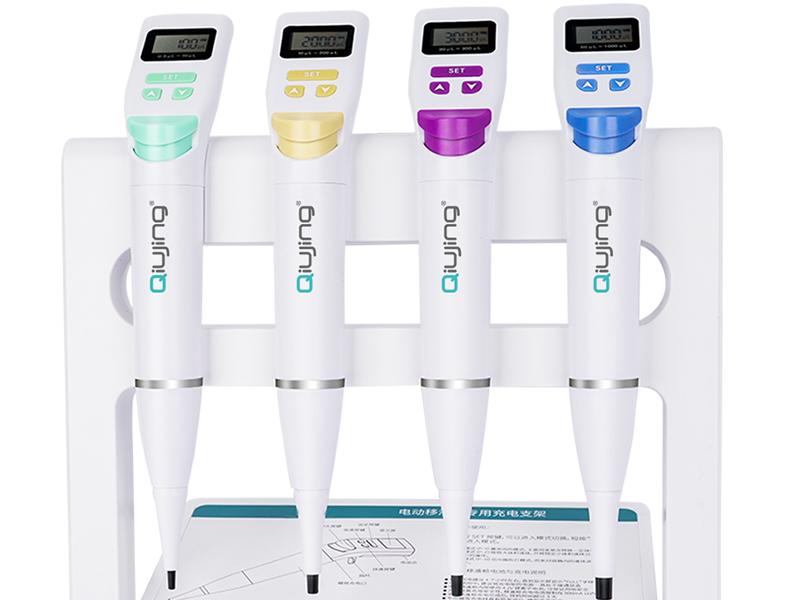
Электрическая пипетка серии Eco: Высокоточное решение для работы с жидкостями в современных лаборато...
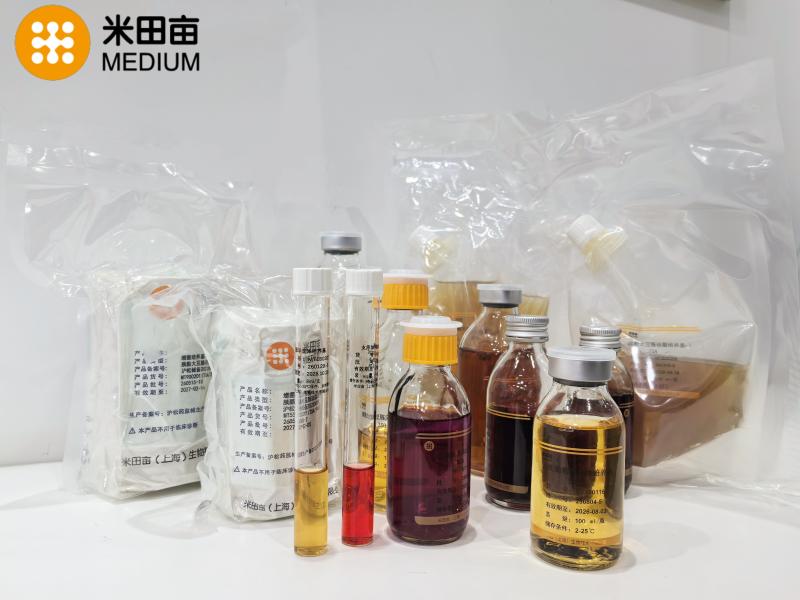
Стерильная культура Серединадля фармацевтической микробиологии: типы, характеристики и области приме...
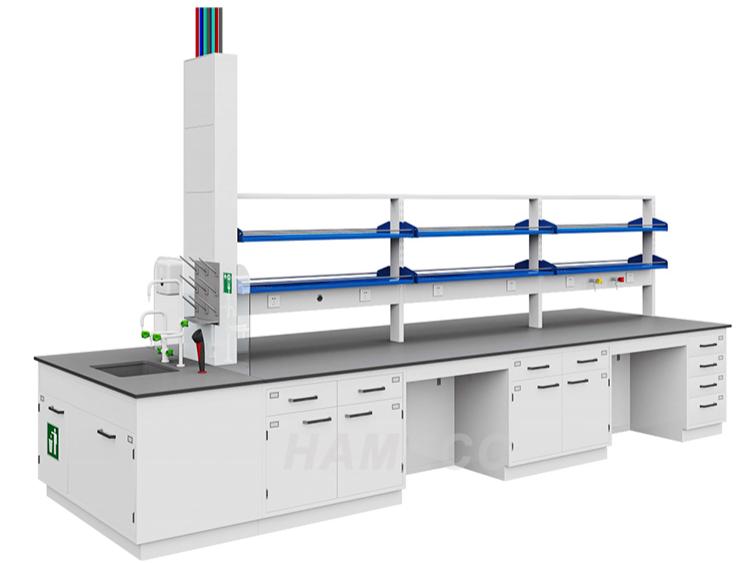
Напольная стальная лабораторная система рабочих столовСтруктура, характеристики и лабораторные приме...

Согласно данным отрасли и ежеквартальным отчетам Китайской торговой палаты по импорту и экспорту лек...
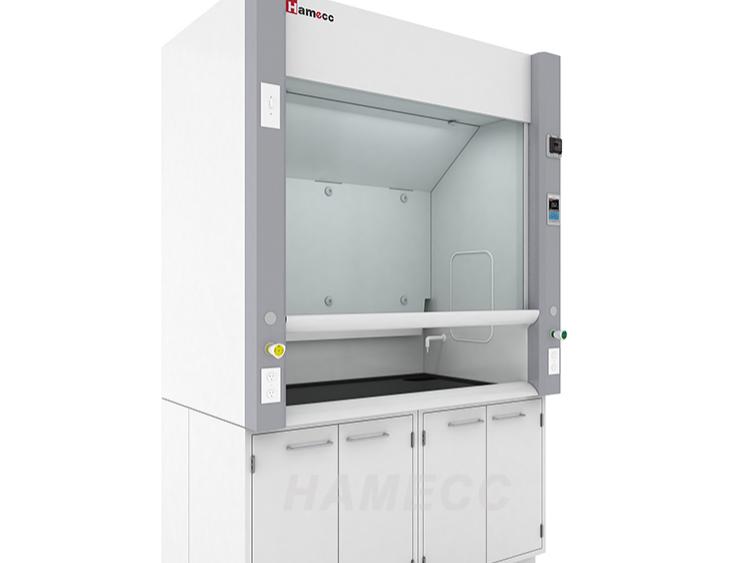
Работа с кислотами, органическими растворителями, токсичными реагентами или летучими химическими вещ...
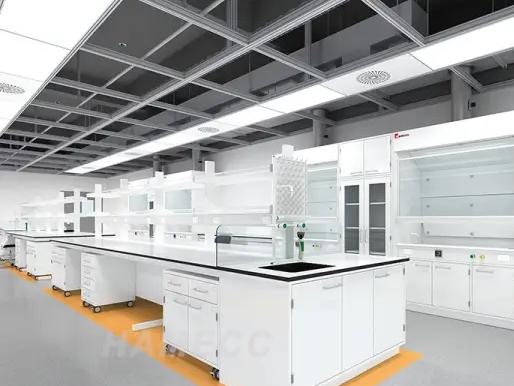
Лаборатории являются основой научных инноваций, и их функциональность полностью зависит от хорошо сп...
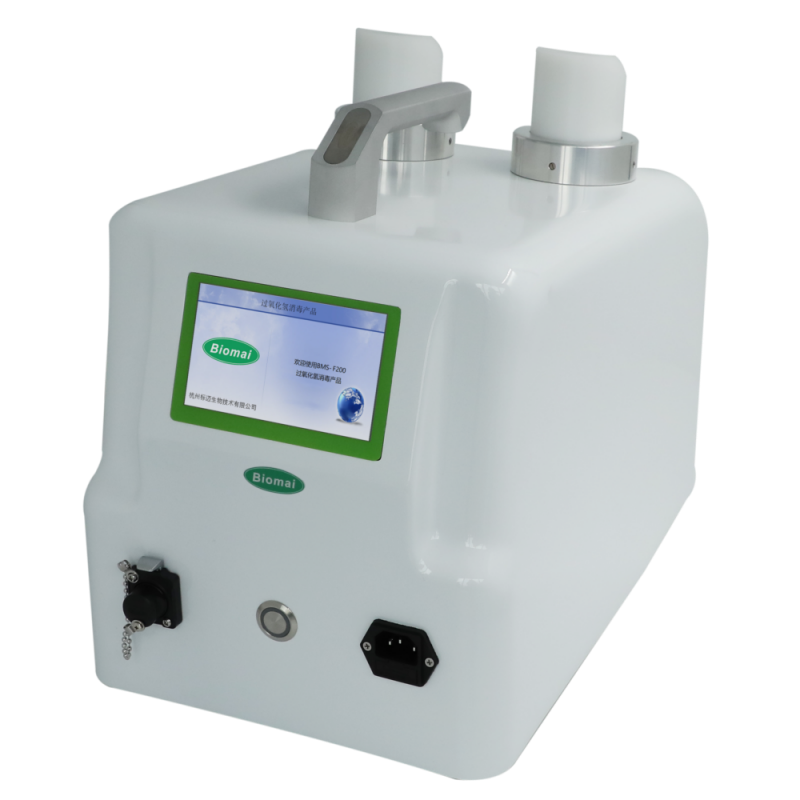
Аппарат для дезинфекции аэрозольным перекисью водорода BMS-F200: часто задаваемые вопросы. При оценк...

Питательная среда МакКонки: золотой стандарт для культивирования кишечной палочки. В строгих станда...
Наши часы работы


Публичный счет



 Поддерживаемая сеть IPv6