EN
EN RU
RU

 Новости отрасли
 Как следует оценивать китайских производителей международным покупателям?
2026-09-11
2026-09-09
2026-09-02
2026-08-28
2026-07-13
2026-04-29
 Текущие события
I. Хрупкая природа фармацевтических препаратов
Активные ингредиенты в фармацевтических препаратах не обладают постоянной стабильностью; их молекулярная структура и биологическая активность крайне чувствительны к внешним условиям. Будь то природные биологические продукты или химически синтезированные фармацевтические ингредиенты, все они имеют определенные диапазоны стабильности. При воздействии условий окружающей среды, выходящих за пределы допустимого диапазона, активные ингредиенты могут разлагаться, окисляться или денатурироваться, что приводит к снижению терапевтической эффективности препаратов и даже к образованию неизвестных вредных веществ. Эта чувствительность не является единичным случаем, а характерной чертой большинства фармацевтических препаратов, что обуславливает необходимость особых условий хранения для сохранения их качества.
II. Невидимые угрозы комнатной температуры
Ежедневная температура в помещении создает множество невидимых угроз для качества фармацевтической продукции. Колебания температуры могут ускорять химические реакции фармацевтических ингредиентов. Даже незначительные изменения температуры, накапливаясь со временем, могут привести к необратимому повреждению лекарственных препаратов. Кроме того, такие факторы, как колебания влажности и воздействие света, которые могут присутствовать в условиях комнатной температуры, действуют синергически с температурой, еще больше ускоряя скорость ухудшения качества лекарственных препаратов. Эти факторы часто трудно обнаружить, но они постоянно влияют на стабильность лекарственных препаратов, приводя к постепенной потере эффективности изначально пригодных к применению продуктов и даже создавая угрозу безопасности.
III. Основные преимущества рефрижераторных контейнеров
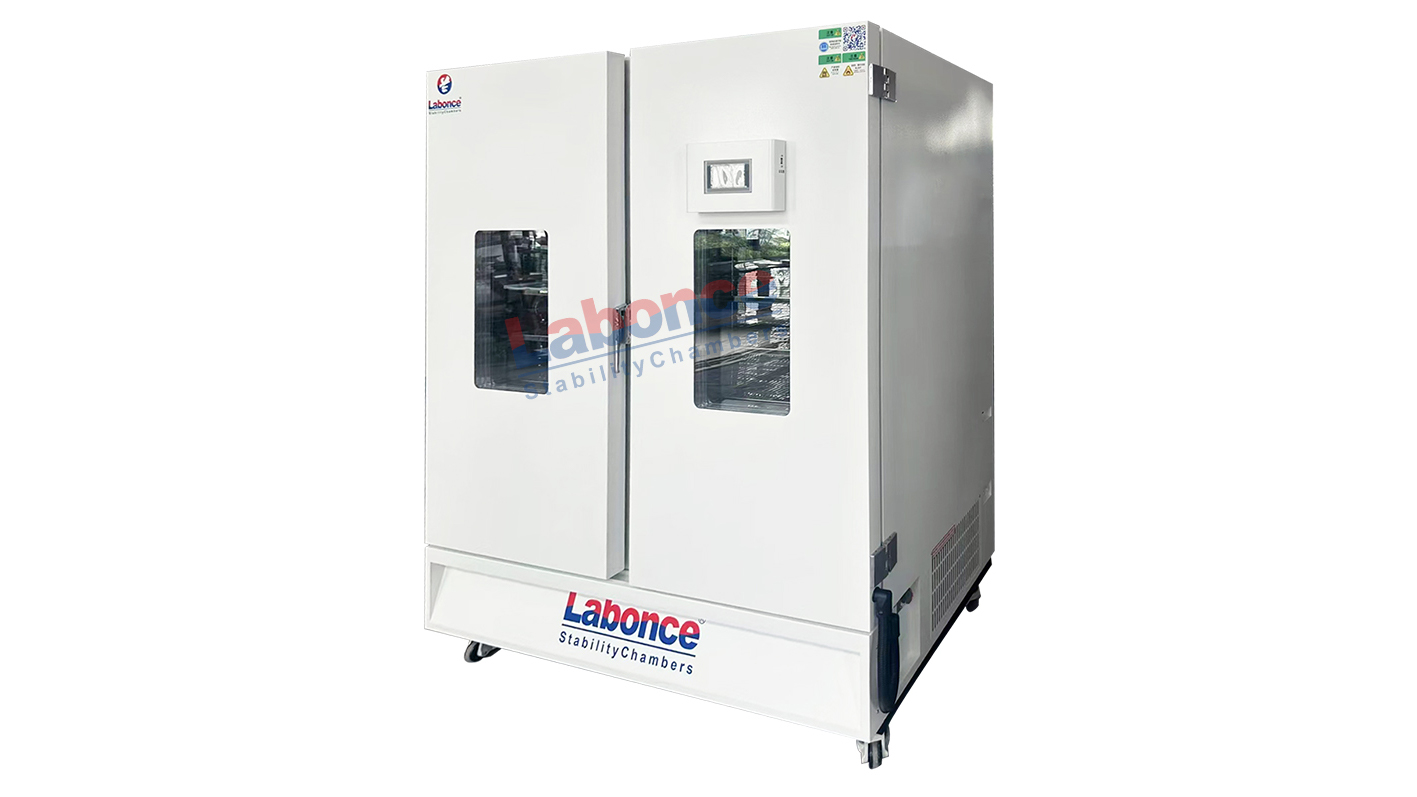
Основная функция рефрижераторных контейнеров заключается в создании стабильной и контролируемой низкотемпературной среды, компенсирующей негативное воздействие внешней среды. Точное поддержание необходимой низкой температуры замедляет скорость химических реакций фармацевтических ингредиентов и подавляет рост и размножение микроорганизмов, тем самым продлевая срок годности лекарственных препаратов и обеспечивая сохранение их первоначальной эффективности и безопасности при использовании. Кроме того, высококачественные рефрижераторные контейнеры блокируют свет и контролируют влажность, обеспечивая эффективную защиту от множественных повреждений лекарственных препаратов во время хранения и транспортировки, и предоставляя надежную гарантию для всей цепочки поставок фармацевтической продукции от производства до использования.
IV. Значение хранения при низких температурах
Хранение лекарственных препаратов при низких температурах — это не просто требование, а важная составляющая обеспечения безопасности лекарственных средств для населения. Для пациентов использование препаратов, прошедших стандартизированное хранение при низких температурах, гарантирует терапевтический эффект и позволяет избежать рисков для здоровья, связанных с порчей лекарств. Для фармацевтической промышленности хранение при низких температурах является ключевым звеном в контроле качества фармацевтической продукции и основой для поддержания доверия к отрасли и рыночного порядка. Для всего общества стандартизированное хранение при низких температурах позволяет сократить количество фармацевтических отходов и обеспечить рациональное использование медицинских ресурсов.
Наши часы работы


Публичный счет



 Поддерживаемая сеть IPv6